


Blog
Bouncer Services: When Should Business Leaders Consider Close Protection?

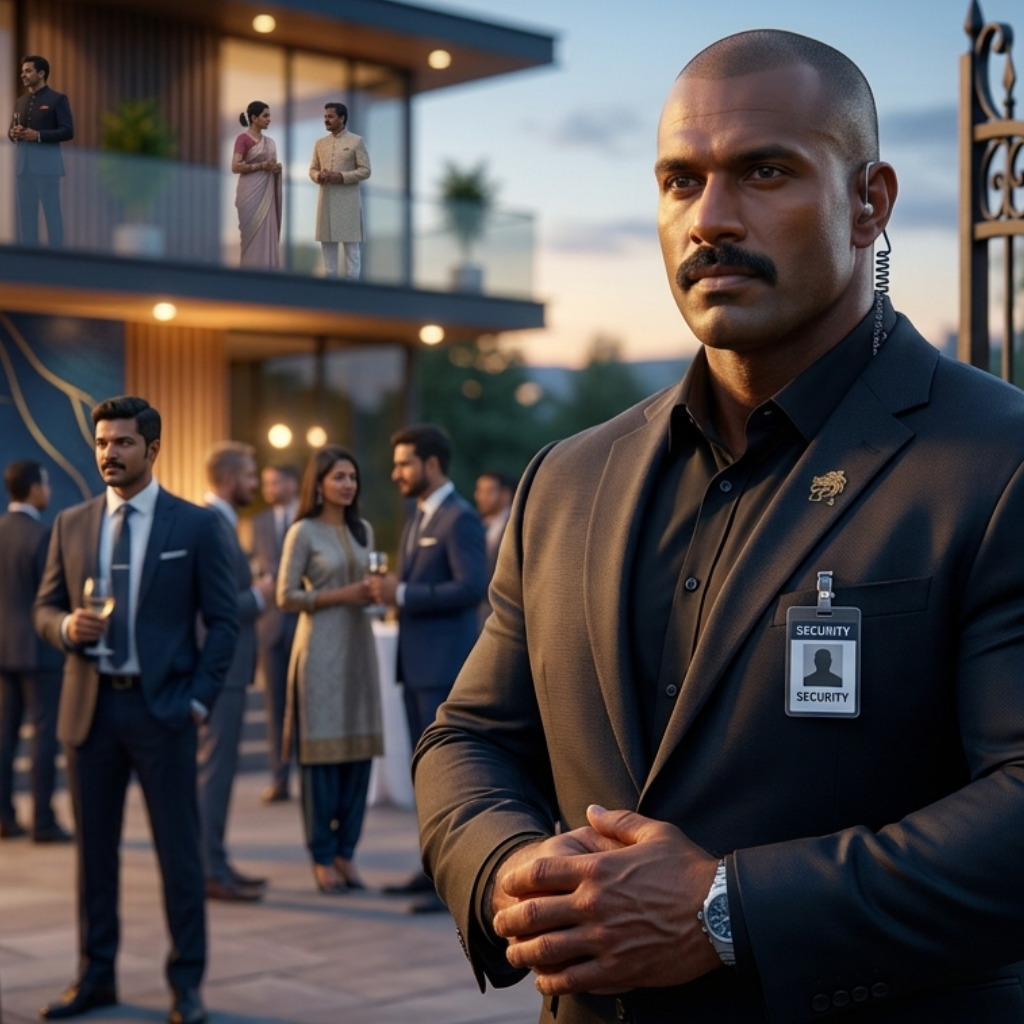
A CEO friend of mine hired bouncers for his company's anniversary party last year. Good call — the event had four hundred guests, an open bar, and a guest list that included a few people who probably shouldn't have been let past the door. The bouncers did their job well. Nobody got hurt, nothing got out of hand.
Then, three weeks later, he started getting threatening messages online after a controversial business decision made headlines. He called the same bouncer company, assuming they'd just send "more" of the same guys. They couldn't help him — not because they weren't good at their job, but because what he needed by then wasn't a bouncer. It was close protection. Two completely different services, and most people don't realize that until they actually need one and end up with the other.
So let's clear this up properly, because getting it wrong isn't just inconvenient — it can leave you genuinely unprotected when it matters most.
Bouncers Handle Places. Close Protection Handles People.
Here's the simplest way to think about it. A bouncer service exists to manage a location — a venue, an event, a door. Their job is crowd management, checking IDs, spotting trouble before it escalates, and physically intervening if a situation gets out of hand inside that specific space. Once the event's over, their job's done.
Close protection is entirely different. It's built around a specific individual, not a location. A trained protection agent studies that person's routine, assesses specific threats against them, plans safe routes, and stays with them across multiple locations — not just one venue for one night. It's proactive and personal, not reactive and location-bound.
Most business leaders never need to think about this distinction until something forces the question. And honestly, that's the wrong time to be figuring it out.
Where Bouncer Services Actually Fit
Let's not undersell what good bouncers do, because it's genuinely important work. If you're running any kind of business event — a product launch, a corporate party, an investor mixer that's going to run late with alcohol involved — professional event security personnel are the right call almost every time.
Licensed bouncers trained properly do a lot more than look intimidating at the door. They check invitations and guest lists, de-escalate arguments before they turn physical, monitor for anyone who's had too much to drink and might become a liability, and coordinate with venue staff on emergency evacuation if something genuinely goes wrong. Crowd management at scale — say, a launch event with hundreds of attendees — requires actual training in reading group behavior, not just muscle.
If you're hosting anything with a guest list you don't fully control, alcohol service, or a public-facing brand event where reputation is on the line, hiring professional security guard staff or door supervisors for the night is just smart planning. It's not overkill. It's the same logic as having a fire extinguisher you hope never to use.
Nightclub bouncers for hire or venue-specific security work under this same category, just with a narrower, ongoing focus — managing entry, checking for weapons or unwanted substances, and keeping the environment safe for paying customers night after night.
The Line You Cross When You Need Close Protection Instead
So when does this stop being enough? A few specific situations should make any business leader pause and consider something beyond standard security guard services.
If you've received direct, credible threats — not vague internet anger, but something specific enough that you'd feel comfortable showing it to police — that's a serious signal. Bouncers aren't trained or positioned to assess and respond to targeted threats against an individual across multiple locations and times of day. That requires threat assessment, which is a completely different skill set.
If your role puts you in the public eye in a way that invites obsession or targeted hostility — high-profile litigation, controversial layoffs, activism against your company, a very public and bitter business dispute — the risk isn't confined to one event anymore. It follows you to your car, your home, your regular commute. A one-night venue solution can't cover that.
If you're traveling somewhere with elevated risk, whether that's a politically unstable region for business, or even just an environment where being visibly wealthy or high-profile makes you a target, that's a different planning exercise entirely. It needs route assessment, advance work at your destination, and someone trained specifically in personal protection protocols, not door management.
And if a family member becomes part of the risk equation — say your kids are recognizable because of your public profile — that's when protection thinking needs to expand beyond "who's guarding this one event" to "who's thinking about our daily movement and exposure."
Why You Can't Just Ask Bouncers to "Step It Up"
I get why people assume the jump is simple — bigger, more serious guys, same idea, right? It's really not. Close protection agents go through specialized training completely separate from venue security: defensive driving, threat and risk assessment, first aid and trauma response, surveillance detection, and how to plan and manage movement between locations safely. It's a different discipline built around anticipating problems before they happen, not just reacting once they're in front of you.
A bouncer who's excellent at handling a rowdy nightclub crowd might have zero training in spotting someone conducting surveillance on your house, or in planning an alternate route home if your usual one suddenly feels compromised. Asking them to just "handle it" for a personal threat situation is setting everyone up to fail, including the person who's supposed to be protected.
If a company genuinely offers both services well, that's worth something — it usually means they have separate, specifically trained teams for each, not the same staff wearing two different hats depending on the booking.
What to Actually Ask When You're Hiring Either Service
For event-based work, ask straightforward questions. Are the licensed bouncers actually licensed under the relevant state regulations? How do they handle intoxicated guests without escalating a situation unnecessarily? What's their ratio of staff to expected guest count? For a few hundred guests, you generally want enough event security guard hire coverage that no single person is managing a large section of the venue alone.
For close protection, the questions get more serious. Ask about the agent's specific training background — many good protection agents come from military or law enforcement backgrounds with formal executive protection certification. Ask how they conduct a threat assessment before agreeing to take on a client. Ask whether they do advance work at locations you'll be visiting, and how they coordinate with local authorities if needed. A protection provider who can't clearly explain their assessment process before quoting you a price isn't one you want handling something this serious.
Finding the Right Provider Where You Are
If you're based in Bangalore and looking for reliable bouncer service in Bangalore, focus on providers who can show licensing, staff training records, and real event experience at the scale you're planning — not just a phone number and a promise. Private security firms operating locally should be transparent about how they screen and train staff, and whether they offer both venue security and, if needed, a genuine escalation path toward close protection through properly qualified personnel.
Searching for professional security staff near me is a fine starting point, but don't stop at the first result. Ask for references from businesses that have used them for similar events, and if you're specifically weighing whether you need close protection, ask directly whether they have that capability in-house or whether they'd need to refer you elsewhere.
The Honest Bottom Line
Most business leaders will only ever need event security services — good bouncers, solid crowd management, someone competent at the door for the handful of events a year where it actually matters. That's completely normal, and there's no reason to overthink it or over-invest in protection you don't need.
But if you find yourself in a situation where the threat isn't tied to one night or one venue anymore — where it's following you, personally, across your daily life — that's the moment to stop thinking about bouncers altogether and start a real conversation about close protection. Don't wait until you're already scared to have that conversation. Have it while you're still just being cautious.
Not Sure Which Service You Actually Need?
Whether you're planning a corporate event and need professional, licensed bouncers, or you're facing a situation that might call for close protection, talk to us before you decide. We'll give you an honest assessment of what your specific situation actually requires, not just an upsell.
Call our team today or fill out the contact form for a confidential consultation on event security or close protection services.
Frequently Asked Questions
1. What's the difference between a bouncer and a close protection agent? A bouncer manages a specific venue or event, focusing on crowd control and door management. A close protection agent is trained to protect a specific individual across multiple locations, with skills in threat assessment, route planning, and personal security that go well beyond venue-based work.
2. How many bouncers do I need for a corporate event? This depends on guest count, venue layout, and whether alcohol is being served, but a common guideline is roughly one security staff member for every fifty to seventy-five guests, adjusted based on the specific risk factors of your event.
3. When should a business leader consider hiring close protection? Consider it if you've received specific, credible threats, if your public profile invites ongoing targeted hostility, if you're traveling to higher-risk locations, or if family members face exposure because of your visibility. A one-off security need is different from an ongoing personal risk.
4. Are bouncers legally required to be licensed? Licensing requirements vary by state and jurisdiction, but reputable security providers ensure their staff hold valid licenses and have gone through proper verification and training before deployment. Always confirm this directly before hiring.
5. Can the same company provide both event security and close protection? Some larger, well-established security providers offer both, but they should have separate, specifically trained teams for each service rather than treating them as interchangeable. Ask directly about their close protection team's specific training background before assuming capability